
Websites
Website Development Cost in Salem: What Drives the Price and What a Good Agency Includes
A plain guide for business owners in Salem, Tamil Nadu who are holding website quotes: what pushes the price up or down, which costs repeat every year, and what to ask before you sign.
By The Idea Shop team, Salem19 November 202611 min read
On this page
- Why website quotes in Salem vary so much
- Which type of website does your business need?
- The seven things that drive website development cost in Salem
- One-time costs vs yearly costs: domain, hosting, SSL, email and maintenance
- How long a website takes, and what usually delays it
- Speed and SEO-ready builds: Core Web Vitals in plain language
- Turning visitors into enquiries: WhatsApp, call buttons, forms and Google Business Profile
- Abi Polyclinic: a clinic website built for trust
- Questions to settle before you sign: domain, hosting, admin access, backups and upkeep
- How to get an itemised quote
- Frequently asked questions
Key takeaways
- Scope, not page count, sets website development cost in Salem: unique designs, content, features and integrations.
- Separate one-time build costs from yearly ones such as domain, hosting, email, licences and maintenance.
- Keep the domain, hosting and admin access in your business’s name, whoever builds the site.
- A fast, mobile-friendly, SEO-ready build helps, but nobody can promise Google rankings.
- Ask for an itemised quote and a written schedule so you can compare like with like.
Ask three firms about website development cost in Salem and you may get three answers that are impossible to compare. One quote is a single line. Another runs to two pages. A third bundles hosting, a logo and a year of “support” without saying what any of it includes.
This guide is for owners in Salem, Tamil Nadu who want to understand those numbers before choosing a partner. As a website development agency in Salem, we design and build websites and landing pages and integrate booking engines, so we know what goes into a quote. We won’t give you a price list, because an honest figure depends on your scope. Instead, here is what drives the price, which costs repeat every year, and the questions that make a vague quote specific.
Why website quotes in Salem vary so much
Two quotes for “a website” can describe very different jobs. One firm may drop your logo into a ready-made theme, paste in your brochure text and hand it over. Another may plan the structure, write fresh copy in Tamil and English, photograph your products, build an enquiry flow and tune the site for speed. Both are websites, but the second needs far more people and hours.
Quotes also differ in what they leave out. A low figure may exclude the domain, hosting, content entry or a second round of changes, which return later as extras. A higher one may include a year of maintenance you never asked for. Compare scope before you compare numbers.
Which type of website does your business need?
Most business websites fall into one of five types. Choosing yours first stops you paying for features you won’t use.
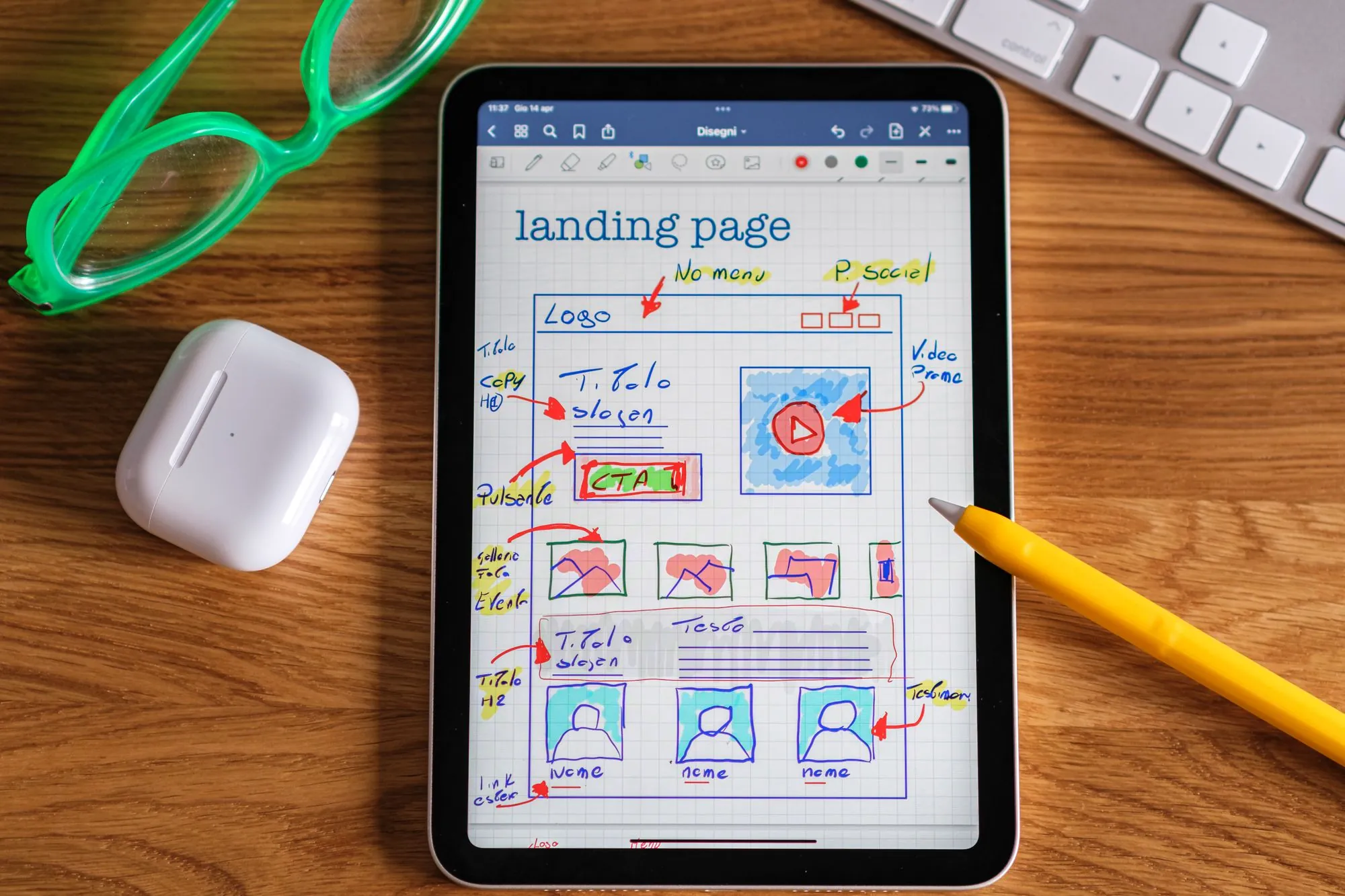
- Landing page. One focused page for a campaign or ad, built around a single action such as a call.
- Brochure website. A handful of pages for clinics, consultants, manufacturers and service firms.
- Catalogue website. Many products with filters and enquiry buttons but no online payment, common for textile, furniture and industrial brands.
- Booking website. Rooms, tables, appointments or classes with live availability.
- E-commerce store. Cart, payment gateway, delivery, stock and order management.
Where booking engines fit
For hotels, resorts and homestays, booking software usually comes from a specialist provider with its own fees, which changes both the build and the yearly costs. Our Cavin Stay website in Yercaud has an integrated booking engine, and our guide to resort booking engine websites explains when an enquiry form or WhatsApp is enough.
The seven things that drive website development cost in Salem
Whatever the type, these seven factors decide website development cost in Salem, as they do anywhere. Look for each one when you read a quote.
- Unique page designs. Twenty product pages sharing one layout cost far less than eight pages that each need their own design. Ask how many distinct templates are covered.
- Content. Who writes the words, in which languages, and who supplies photographs and video? A bilingual site needs a second full set of writing and proofreading, and Tamil words often need more room in menus and buttons.
- Design approach. Adapting a licensed theme is quicker than designing from a blank page. Custom design costs more but fits your brand properly.
- Features and integrations. Booking engines, payment gateways with UPI, product filters, CRM connections and member logins each add design, build and testing time.
- Platform. A content management system such as WordPress gives you an editor and many plugins. A custom-coded site can be leaner, but changes usually need a developer.
- Speed, SEO and migration. Image optimisation, clean headings, structured data and redirects from an old site take time that cheap builds skip.
- Training and support. A walkthrough, a written guide and a maintenance plan each have a cost. Know which ones you are getting.
Two questions that explain most quotes
How many unique page designs are included, and who supplies the text and photographs? The answers usually explain most of the gap between two quotes.
One-time costs vs yearly costs: domain, hosting, SSL, email and maintenance
The build is usually a one-time cost, often paid in stages. Around it sit costs that return every month or year, and owners often forget to budget for them.
| Item | When you pay | What to check |
|---|---|---|
| Design and build | Once, often in stages | Templates, revision rounds, who enters content |
| Domain name | Yearly, or several years at once | Registered in your business’s name |
| Hosting | Monthly or yearly | Who manages it, backups, how easily you can move |
| SSL certificate | Often bundled with hosting | That it renews automatically |
| Business email | Per mailbox, monthly or yearly | Included or billed separately |
| Theme or plugin licences | Often yearly | Whose name they are in, renewal dates |
| Booking engine or payment gateway | Subscription, commission or per transaction | The provider’s full fee schedule |
| Maintenance | Monthly, yearly or as needed | A written list of what is covered |
Put the yearly items in their own column when you compare quotes. A quote that looks cheaper on launch day can cost more over three years if hosting, licences or support are priced high, and the reverse is also true.
How long a website takes, and what usually delays it
Build time depends on the type of site, the number of unique designs, the features and, above all, how ready your content is. A landing page with copy and photos in hand moves far faster than a bilingual catalogue still waiting for a product shoot.
The usual stages are sitemap, key page designs, your feedback, development, content entry, testing on phones and launch. Delays tend to come from the same places:
- Text and photographs arriving late, or in a different form than planned.
- Several decision-makers giving feedback at different times.
- Domain or hosting logins held by a former developer or a relative who set them up years ago.
- Payment gateways or booking engines needing their own account verification.
- New features added halfway through.
Ask for a written schedule showing each stage and what you must supply by when. It protects both sides.
Speed and SEO-ready builds: Core Web Vitals in plain language
Google measures what real visitors experience with three Core Web Vitals. According to Google Search Central, a good experience looks like this:
- Largest Contentful Paint (LCP): the main content appears within 2.5 seconds of the page starting to load.
- Interaction to Next Paint (INP): the page responds to a tap or click in under 200 milliseconds.
- Cumulative Layout Shift (CLS): the layout stays steady, with a score under 0.1, so buttons don’t jump as the page loads.
The web.dev guide to Web Vitals suggests judging these at the 75th percentile of page loads, measuring mobile and desktop separately. That matters when many of your customers open the site on a phone over mobile data.
Google’s page experience guidance says its ranking systems use Core Web Vitals, but that good scores alone don’t guarantee a high position. Treat speed as part of a good site, not a ranking trick. An SEO-ready build means the basics are in place: secure HTTPS, a mobile-friendly layout, sensible headings, descriptive page titles, compressed images and no pop-ups covering the content.

Test it yourself
Before accepting a new site, open it on an ordinary phone using mobile data. If the main picture is slow to appear, ask the developer for the page’s LCP.
Turning visitors into enquiries: WhatsApp, call buttons, forms and Google Business Profile
A website earns its cost when people contact you from it. For many local businesses the first contact is a call or a WhatsApp message rather than an email, so make both one tap away.
- Call button. A tap-to-call link in the header and footer.
- WhatsApp link. WhatsApp’s click to chat format (wa.me followed by your full international number, with no zeros, brackets or dashes) opens a chat without the visitor saving your number. A pre-filled message such as “Hi, I found you on your website” also tells you where the lead came from.
- Short forms. Ask only for name, phone and a line about the requirement. Long forms put people off.
- Google Business Profile. Link it to the website, keep the name, address and phone identical on both, and send profile visitors to the most useful page.
Decide before launch who answers each channel, and how quickly. The search and profile side sits under our digital marketing and local SEO services.

Abi Polyclinic: a clinic website built for trust
Abi Polyclinic is a Salem clinic with more than 30 years of practice, and we built its website. A clinic site has a particular job. Patients often arrive worried, on a phone, wanting to know quickly who the doctors are, when the clinic is open and how to reach it.
A few principles apply to any healthcare website:
- State qualifications and experience plainly, early on the page.
- Put timings, location and phone number where they can be found in seconds.
- Add a map and simple directions from a well-known landmark nearby.
- Write in calm, clear language, in Tamil and English if patients need both.
- Offer a discreet way to ask a question, especially for sensitive specialities.
- Have the doctors check every medical statement before the site goes live.
See the project in our Abi Polyclinic case study, alongside more of our work for Salem businesses.
Questions to settle before you sign: domain, hosting, admin access, backups and upkeep
These questions are specific to websites. Agree the answers in writing before work starts.
- Who registers the domain? Your business, with an email address you control as the contact.
- Who holds the hosting account? If the developer hosts the site, ask how you would move it later.
- Will you get admin access? Ask for your own administrator logins to the website and hosting panel, not a shared password.
- Who owns the licences? Paid themes, plugins and booking or payment software should survive a change of developer.
- How are backups handled? How often, where they are stored and how quickly the site can be restored.
- What does maintenance cover? Updates, security checks, small text changes, new pages? Get it as a list.
- What happens at handover? A short guide or recorded walkthrough so your team can make everyday edits.
For wider questions, such as who does the work and how revisions are handled, use our checklist on how to choose a creative design agency in Salem.
How to get an itemised quote
The clearest way to pin down website development cost in Salem is an itemised quote: sitemap, design (with the number of templates), development, content, photography, each integration, testing and training, with yearly items listed separately.
To get one, send a short brief: your business type, the kind of website from the list above, expected pages, languages, features, any existing domain or hosting, and your launch date. Add two or three websites you like and say why.
If you would rather start without a meeting, the instant estimate on our services page lets you pick the services, reach and pace you need and see the scope first. Then call or send your brief, and ask for every line of the proposal to be itemised, whoever you choose to work with.
Frequently asked questions
How much does website development cost in Salem?
Website development cost in Salem depends on scope rather than location. The main drivers are the number of unique page designs, who writes and translates the content, photography, features such as booking or payments, the platform and ongoing support. Yearly costs for the domain, hosting, email and maintenance sit on top. The quickest route to a real figure is an itemised quote against a written brief, or a first scope from our instant estimate.
How long does it take to build a business website?
A focused landing page is quicker than a multi-page bilingual site with a booking engine, so there is no single answer. The biggest factor is usually content: when text, photographs and approvals arrive on time, projects move steadily. Ask any developer for a written schedule that lists each stage, what you must supply and the dates both sides are working towards.
Should I choose WordPress or a custom-coded website?
WordPress suits most brochure, catalogue and blog-led sites, because your team gets an editor it can use and there is a large range of plugins. A custom-coded site can be lighter and suits unusual features, but everyday edits usually need a developer. Ask which platform is proposed, why, and what it means for updates, security and future changes.
Do I have to pay for the domain and hosting every year?
In most cases, yes. Domains are renewed every year or for several years at a time, and hosting is billed monthly or yearly. Business email, SSL certificates and some theme or plugin licences can also renew annually, although some hosting plans bundle a few of these. Keep the domain in your business’s name and set renewal reminders so the site never lapses.
Will a new website rank on Google automatically?
No. A well-built site gives Google clean, fast pages to crawl, but rankings depend on your content, its relevance to each search, links, your Google Business Profile and the competition. Google says good Core Web Vitals help but don’t guarantee a top position. Plan for steady work after launch: useful pages, local SEO and reviews from real customers.
Can I update the website myself after launch?
Usually, yes, if the site runs on a content management system and you have your own admin login. Changing text, photographs, prices and blog posts is straightforward after a short walkthrough. Layout changes, new features and software updates are better left to a developer or a maintenance plan. Agree at the start what you will handle and where you want help.
Image credits: Photo by Davide Baraldi on Pexels, Pexels License. Photo by Daniil Komov on Pexels, Pexels License. Photo by Sharath G. on Pexels, Pexels License.
Get a scoped estimate for your website
Pick what you need in the instant estimate, or call the team to talk through your website in Tamil or English.
Keep reading
Resort Booking Engine Websites in Yercaud and Salem: A Guide to Direct Bookings
How Yercaud and Salem stays can take more bookings on their own website: enquiry form, WhatsApp or booking engine, plus Google and site speed.

How to Choose a Creative Design Agency in Salem: 12 Questions to Ask Before You Hire
Twelve questions to ask a Salem design agency before you sign, from who owns your files and ad accounts to Tamil copy, print and festive deadlines.

Logo Design Cost in Salem: What You Pay For, How the Process Works and the Files You Should Get
Why logo quotes in Salem vary so much, how a proper logo design process runs, and the files and checks to insist on before you pay.