
Design & Branding
What Does a Branding Agency Do? Strategy, Identity and Guidelines for Salem Businesses
A plain-English guide for Salem owners on what branding work covers, how a project runs and how to brief an agency without paying for things you do not need.
By The Idea Shop team, Salem19 November 202611 min read
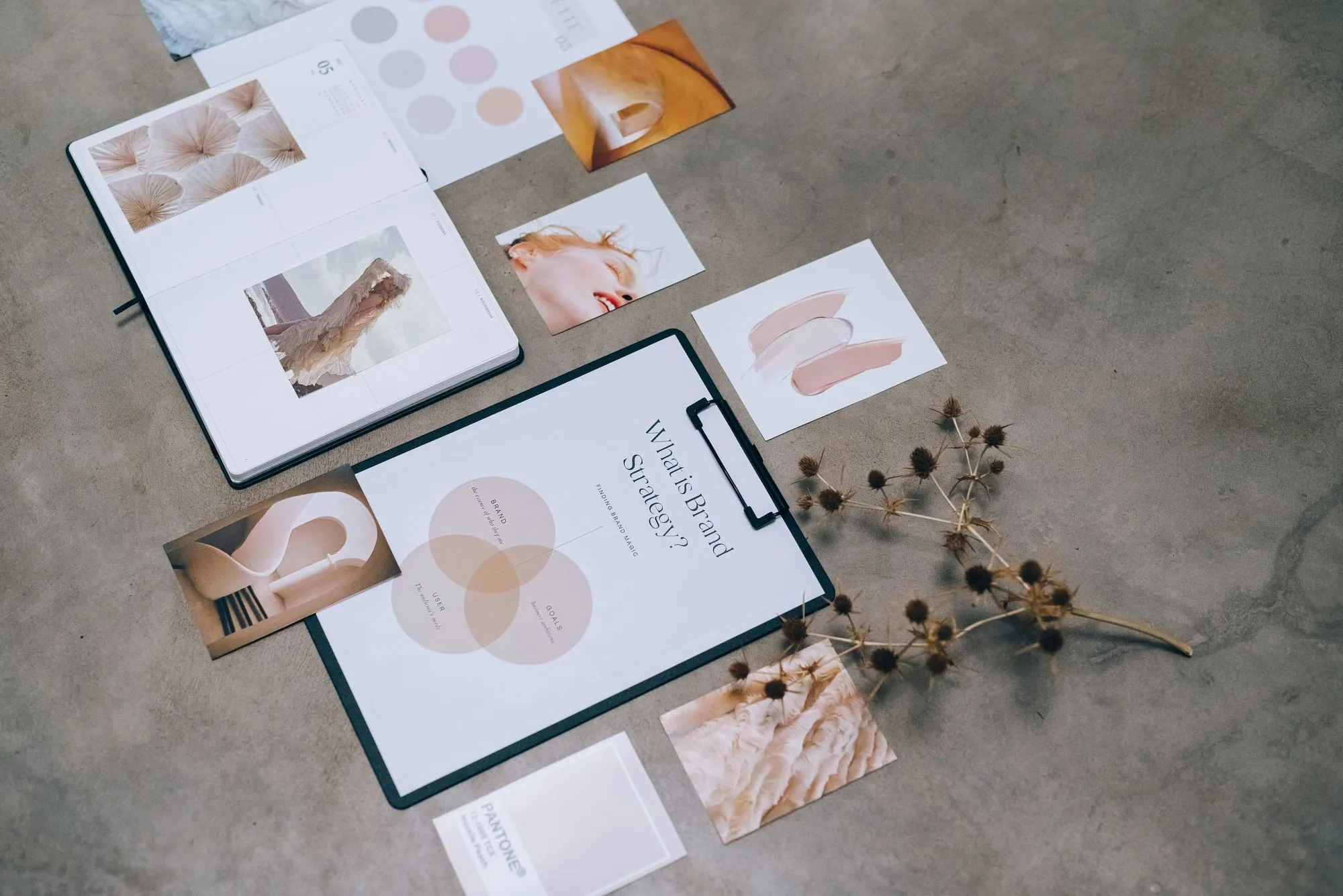
On this page
- What does a branding agency do, and how is branding different from marketing?
- Five signs your Salem business needs branding work now
- Brand strategy and positioning: the part most owners skip
- Visual identity in brief: logo system, colours, type and imagery
- How a branding project runs, from brief to rollout
- Brand guidelines for a small business: what the document should contain
- Rebrand or refresh? Changing without losing the customers you have
- One identity on a box, a van and a feed: what Venu Dindigul Biriyani's work shows
- How to write a one-page branding brief
- Frequently asked questions
Key takeaways
- Branding decides who you are and how you look and sound; marketing pays to put that in front of people.
- Strategy comes before design, or the logo is a guess.
- A small business needs short guidelines that its printer will actually open.
- Most established Salem businesses need a refresh, not a full rebrand.
- A one-page brief makes agency proposals far easier to compare.
What does a branding agency do? Ask a few Salem shop owners and you will hear a logo, a new name board, some Instagram posts, perhaps a fresh sweet box for Deepavali. Each is part of the answer, but none of them is branding on its own. Branding is the set of decisions that makes all of those things look, sound and feel like one business.
This guide is for owners who have never hired a branding agency in Salem and want to know what they would be paying for: strategy, identity, guidelines, the rebrand-or-refresh question and how to write a brief. We are The Idea Shop, on Convent Road in Alagapuram, and we have kept it as plain as we would across the table.
What does a branding agency do, and how is branding different from marketing?
A branding agency helps you decide what your business stands for, who it is for and how it should come across. It then turns those decisions into a visual identity and rules that everyone who makes your material can follow. The work has three parts (strategy, identity and guidelines), followed by rollout onto the things customers see and touch.
Marketing comes next: the ads, offers, reels, hoardings and festive campaigns that put the brand in front of people. When Spice 7, a Salem restaurant, ran three Diwali reels backed by Meta ads and reached 70,000 combined views, that was marketing. The name, look and voice those reels carried were the brand.
Branding agency or freelancer?
Scope decides this more than budget. A skilled freelancer may be the right choice for a wordmark and visiting cards. When the brand must work across a name board, packaging, vehicles, social media and a Google profile, in Tamil and English, you need strategy, more than one designer’s eye and someone who manages print. That is the gap a branding agency fills.
Five signs your Salem business needs branding work now
- A second branch is coming. The first shop, say in Shevapet, grew on word of mouth. A new outlet in Fairlands has to be recognised by people who never visited the first.
- You are moving onto shelves or delivery apps. Your pack now sits beside national brands and has to do the talking you used to do at the counter.
- Every item looks different. The name board, visiting card, carry bag and Instagram page each use a different logo, colour or spelling of the name.
- Nobody has the master logo file. Printers redraw it from a WhatsApp photo, and it drifts a little with every job.
- The next generation is taking over. They want a current look without confusing customers who have been loyal for decades.
If two or more of these sound familiar, sort out the brand before your next big spend on boards, boxes or ads.
Brand strategy and positioning: the part most owners skip
For a Salem business, strategy comes down to a few honest answers. Who are your best customers, and why do they choose you over the shop down the road? What do you want to be known for in five years? Where do you sit on price? What should never change?
A branding agency gets these answers by talking to you, your staff and a few regular customers, and by studying the competition nearby. The output is short: a positioning statement, the brand’s personality, a handful of key messages and a tone of voice.
A one-line positioning test
Finish this sentence: “For ___ who want ___, we are the ___ that ___, because ___.” A bakery might write: for Salem families who want celebration cakes they can trust, we are the neighbourhood bakery that bakes everything on the premises. If you cannot fill the blanks, a designer can only guess.
Tone of voice in two languages
Salem customers read Tamil and English, often in the same post. Decide how the brand speaks in each: warm and familiar, or polished and premium. A saree brand might use refined English on its packaging and conversational Tamil on WhatsApp, while a sweet stall might lead with Tamil everywhere. Write it down with sample lines so every caption sounds like one business.
Visual identity in brief: logo system, colours, type and imagery
Visual identity, sometimes called corporate identity, is what most people picture when they hear the word branding. It is more than a logo. A working identity usually includes:
- A logo system: a main version, a stacked or horizontal version, a small icon for profile pictures and one-colour versions for stamps and boxes.
- Tamil and English versions of the name that sit well together, covered in our guide to bilingual Tamil and English logos.
- A colour palette with exact print and screen values, so the red on your box matches the red on your flex.
- Typefaces for both scripts, with the licences checked.
- An imagery style that sets how products, food or rooms are photographed and retouched.
- Supporting graphics, such as festive motifs that change each season while the core stays fixed.
For what drives the logo’s price and which files you should receive, see our guide to logo design cost in Salem.

How a branding project runs, from brief to rollout
- Brief and discovery. You explain the business, the change you want and the deadline. The branding agency should visit the shop and ask a lot of questions.
- Audit. Lay everything that carries your name on one table: name board, visiting cards, bills, bags, boxes, menus, uniforms, vehicles, social pages and your Google Business Profile.
- Strategy sign-off. Agree the positioning and tone in writing before design starts.
- Identity design. Designers turn the agreed strategy into a few distinct routes for the logo, colours and type, then refine the one you pick over an agreed number of feedback rounds. The logo guide linked above covers this stage in detail.
- Guidelines and files. The rules and the master files are handed over.
- Rollout. Signage, packaging, print, templates and online profiles change in a planned order.
Timing depends less on design hours than on decisions and suppliers: how many people sign off each stage, how many items change, whether every item needs Tamil and English, and how long your sign maker and box printer need. Ask for a dated plan with your own approval days marked, and avoid launching a new look in the middle of the Deepavali or Pongal rush.
Ask for this in every proposal
What each stage includes, how many design routes and feedback rounds you get, and which files you receive at the end.
Brand guidelines for a small business: what the document should contain
A brand book does not need to be a thick binder. A short document that your printer, sign maker and social media person will actually open is worth far more. It should cover:
| Section | What it covers |
|---|---|
| Brand summary | Positioning, personality and key messages |
| Logo use | The approved versions and the misuses to avoid |
| Colour | Exact values for print and screen, so every supplier matches the same shade |
| Typography | Tamil and English typefaces and where each is used |
| Tone of voice | How you write in each language, with sample lines |
| Photography | Lighting, backgrounds and props for products, food or rooms |
| Templates | Name board, visiting card, bill, social post, flex banner, packaging label |
| File list | Where the master files live and who holds the editable versions |
Consistency matters online too. Google’s guidelines for representing your business ask owners to present the business on Google the way it is consistently shown in the real world, across signage, stationery and other branding. Matching names and logos also help people who find you on Maps recognise the shop when they arrive.
Ask your branding agency for the guidelines as a PDF you can forward to any printer on WhatsApp.
Rebrand or refresh? Changing without losing the customers you have
A refresh keeps what customers already recognise, such as the name, the main colour or the symbol, and modernises the rest. A rebrand changes something fundamental: the name, the symbol or the positioning.
Most established Salem businesses need a refresh. If families in Ammapet know your shop by its yellow box, dropping that colour throws away years of recognition. A full rebrand makes sense with new ownership, a merger, a name that clashes with someone else’s trade mark, or a move into markets where the old name does not travel.
Check a new name first
Search any new name before paying for design. WIPO’s guide to intellectual property for startups advises checking early that nobody has registered the same or a similar name for similar products, and filing before launch to avoid a costly rebrand later. In India, trade marks are handled by the Trade Marks Registry under IP India, and a registered trade mark agent can run a proper search.
Rolling out without confusing regulars
- Change the name board, Google Business Profile and social profile pictures together.
- Time packaging orders so old stock runs out around launch.
- Tell customers: a counter card or a short reel saying “same kitchen, new look” is enough.
- Keep one familiar element, such as the signature colour, so the change feels like growth.
One identity on a box, a van and a feed: what Venu Dindigul Biriyani's work shows
Venu Dindigul Biriyani, a restaurant in Little India, Singapore, already had its own identity; we did not create it. Our job was to carry it, intact, onto three very different surfaces.
- The van. Before designing the Venu food van wrap, the team studied the existing identity and the cuisine, then handled design, print and execution.
- The box. The premium biryani delivery box went from concept to design to print, premium in feel but practical for delivery.
- The feed. The meme-driven reels for Venu took a playful tone; one crossed 3.6 million views and another 1.2 million.
An identity has to flex. On the van, the gold-framed emblem and a spread of dishes do the selling. The delivery tub keeps the Venu wordmark but adds an illustrated scene and QR codes, and the reels lean on food close-ups and local humour. Good guidelines say which elements are fixed and which can play.
Closer to home, the bus wrap we produced for Neelgiri Tarpaulins & Interiors in Salem was designed in that brand’s own visual language and went from design to the road in a single day. Shri Gupta Sweets gets new festive photography, packaging and print from us every Diwali, which is far easier when the fixed parts of a brand are written down. There is more local work on our advertising agency in Salem page.

How to write a one-page branding brief
Whether you hire a freelancer or a branding company in Salem, a good brief fits on one page. Cover these points:
- What you sell, where, since when and to whom.
- What is changing, and why now.
- Your best customers, and what they say about you.
- Three local competitors, and your view of how they look.
- What must stay: a colour, name or symbol your customers know.
- Languages: Tamil, English or both, and on which items.
- Every touchpoint: name board, boxes, bags, vehicles, uniforms, Instagram, WhatsApp, Google Business Profile and website.
- Your deadline and launch moment, such as an opening or a festival.
- A budget range, so the branding agency can propose the right scope instead of guessing.
- Who makes the final decision.
Add examples you like and dislike, from any industry. You are welcome to brief us in Tamil or English. Still choosing a partner? Our checklist on how to choose a creative design agency in Salem lists the questions to ask first.
Frequently asked questions
What is the difference between branding and marketing?
Branding decides who your business is for, what it stands for and how it looks and sounds. Marketing puts that brand in front of people through ads, offers, reels, hoardings and festive campaigns. A clear brand tends to make marketing work harder, because people recognise you faster.
What does a branding project usually include?
Most projects include discovery and an audit of what you use today, a short strategy, a visual identity (logo system, colours, typefaces and imagery style), brand guidelines and master files. Many also apply it to the name board, packaging and social templates. Ask every branding agency to list exactly what its proposal covers, so quotes can be compared fairly.
How long does a branding project take?
There is no fixed answer, because the slow parts are rarely the design itself. Owner approvals between stages, and the rollout of new signage and packaging stock, usually take the longest. Work backwards from your launch moment, such as a new branch opening or Pongal, and leave room for printers and sign makers after the final files are approved. Ask for a dated plan before you sign.
Can I get just a logo, or do I need full branding?
You can get just a logo, and for a very small or brand-new business that is often sensible. The risk is designing a logo before agreeing what the business stands for, then redoing it when you expand. A practical middle path is a logo with a short strategy note and a one-page usage sheet, so every printer follows the same rules.
Can an existing business rebrand without confusing its regular customers?
Yes, if you keep something they recognise and tell them what is changing. Most established businesses are better served by a refresh that keeps the name and a signature colour or symbol. Regulars mostly notice the name board and the packaging, so switch those in a planned order and let staff explain the new look at the counter for the first few weeks.
Does a small business really need brand guidelines?
Yes, though a short version will do. Even a two-shop business deals with several printers, a sign maker, someone posting on Instagram and perhaps a packaging supplier. Without written rules, each interprets the logo and colours a little differently, and the brand drifts. A few pages on logo use, colours, fonts, tone and templates covers it.
Image credits: Photo by Leeloo The First on Pexels, Pexels License. Photo by Kaboompics.com (Pexels user karola-g) on Pexels, Pexels License. Other images: The Idea Shop client work.
Starting a brand or refreshing one?
Talk to our team about strategy, identity and guidelines for your business. We are at 3/77 Convent Road, Alagapuram, Salem 636 016; call before you drop in so the right person is free.
Keep reading
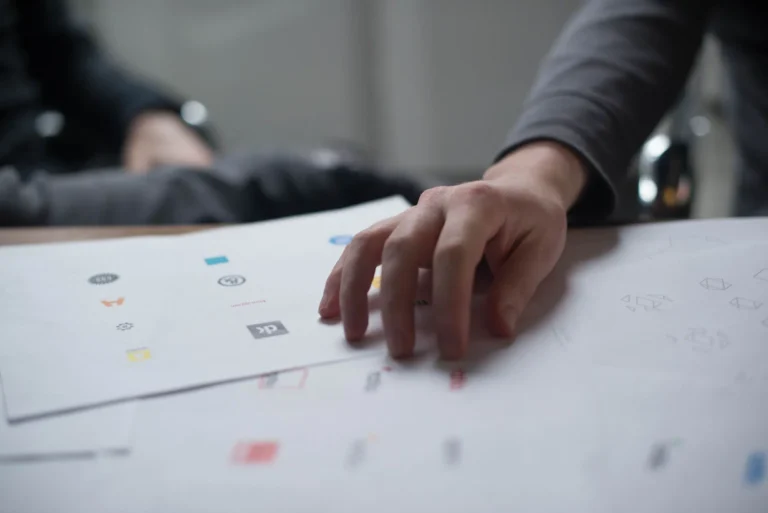
Logo Design Cost in Salem: What You Pay For, How the Process Works and the Files You Should Get
Why logo quotes in Salem vary so much, how a proper logo design process runs, and the files and checks to insist on before you pay.
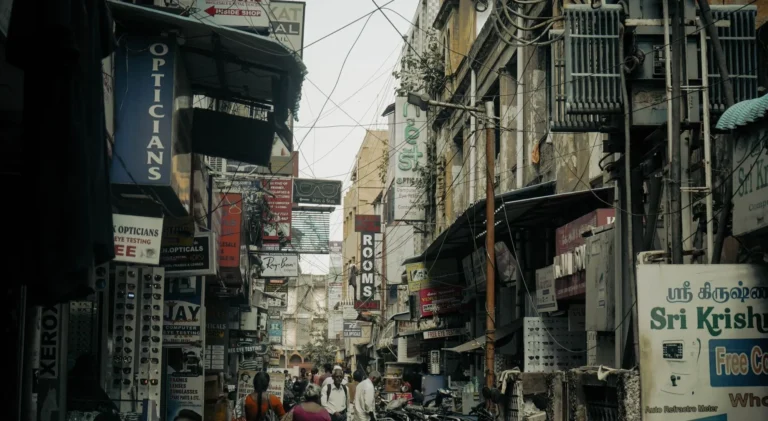
Tamil Logo Design: Bilingual Logos and Name Boards for Salem Businesses
Your Salem customers read your name in Tamil first. How to build a Tamil and English logo that works on boards, packs and phones, within the rules.

Food Packaging Design in Salem: A Practical Guide for Sweet Shops, Bakeries and Food Brands
Box types, materials, festive editions, FSSAI and Legal Metrology label must-haves and print planning, for Salem sweet shops, bakeries and food brands.